
Squid ink pasta feels like a secret handshake among cooks. Its rich, umami depth is a reminder of seaside markets and late-night kitchens. I love how it turns a simple dinner into an experience—dark, dramatic, and full of oceanic whispers. It’s a dish that invites attention, patience, and a little daring.
Why This Dish Calls Me Back Again and Again
It’s the complexity—how the ink amplifies the seafood’s briny sweetness. Plus, the way it turns a humble pasta into an artful plate. I love the ritual of cooking it, watching the color deepen, smelling the ocean in my kitchen. It’s a dish that feels like a small rebellion, a splash of the wild sea on your plate.
Inside the Ingredients: What Makes This Dish Sing
- Squid ink: Gives the pasta its bold, briny color and depth—think smoky ocean air. Swap for a splash of extra-virgin olive oil if you prefer a milder dish.
- Black pasta (or regular pasta + squid ink dye): The canvas for the ink—al dente is key, so don’t overcook. Use regular pasta if you can’t find the ink version.
- Fresh squid rings: Tender and mild, they add a fresh seafood bite. Frozen squid works fine, just thaw and pat dry first.
- Garlic: Fills the kitchen with a warm, pungent aroma—don’t skip it. For a milder profile, use half clove.
- White wine: Adds brightness and acidity—use a dry one, no need to splurge.
- Lemon juice: A splash to cut through the richness—bright and zesty, like a fresh seaside breeze.
- Chili flakes: A pinch adds a gentle heat—adjust to your spice tolerance.
Tools of the Trade for Black Pasta with Squid Ink
- Large Stockpot: Boils the pasta evenly without crowding.
- Slotted Spoon: Lifts pasta out of boiling water gently.
- Non-stick Pan: Sautés garlic and squid without sticking or burning.
- Measuring Cups and Spoons: Accurately measure liquids and seasonings.
- Lemon Squeezer: Extracts maximum juice easily.
Crafting the Perfect Black Pasta with Squid Ink: A Step-by-Step Guide
Step 1: Fill a large pot with water, salt generously, and bring to a rolling boil—think seawater brine.
Step 2: Add the squid ink pasta carefully, stirring immediately to prevent sticking.
Step 3: Cook for 8-10 minutes, until al dente—firm but with a slight chew, a little echo of the sea.
Step 4: Meanwhile, heat a splash of olive oil in a pan over medium heat, about 160°C (320°F).
Step 5: Add finely chopped garlic, sauté till fragrant, about 30 seconds.
Step 6: Toss in cleaned squid rings, cook for 2-3 minutes until opaque.
Step 7: Deglaze with a splash of white wine, let it reduce for a minute.
Step 8: Drain the pasta, reserving a cup of starchy water.
Step 9: Combine pasta with squid and sauce, adding a splash of reserved water to loosen.
Step 10: Finish with a squeeze of lemon juice, fresh parsley, and a pinch of chili flakes.
Cooking Like a Pro: Key Checkpoints for Black Pasta with Squid Ink
- The pasta should be just tender, not mushy, with a slight bounce.
- The squid rings turn opaque and firm, not rubbery, within 2-3 minutes of cooking.
- The sauce should shimmer with a slight sheen, not appear watery or greasy.
Avoid These Common Pitfalls in Black Pasta with Squid Ink
- Overcooked squid, turning rubbery.? Reduce heat if garlic browns too quickly, to avoid bitterness.
- Pasta sticking together.? Remove from heat immediately and serve to prevent rubberiness.
- Sauce too watery.? Stir often during cooking and add a little olive oil if necessary.
- Lack of color or flavor in the ink.? Simmer longer or add a bit of extra squid ink to intensify flavor.
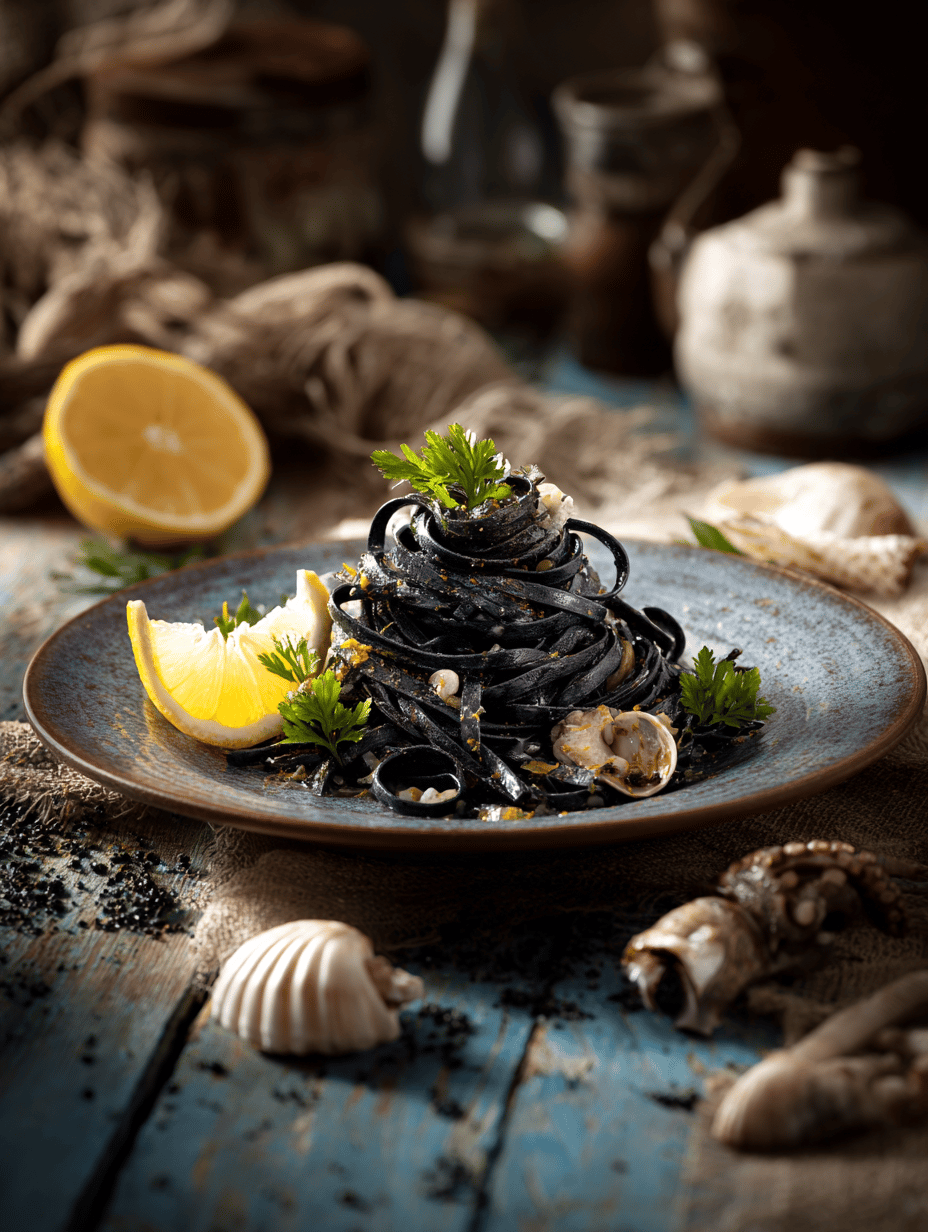
Black Squid Ink Pasta with Fresh Squid
Ingredients
Equipment
Method
- Fill a large stockpot with water, add a generous amount of salt, and bring to a rolling boil.
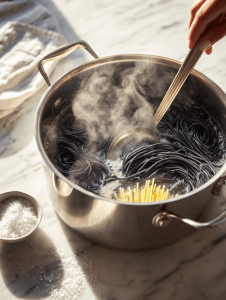
- Add the black pasta carefully to the boiling water, stirring immediately to prevent sticking, and cook until just al dente, about 8-10 minutes.
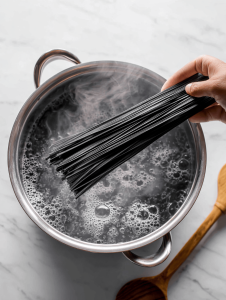
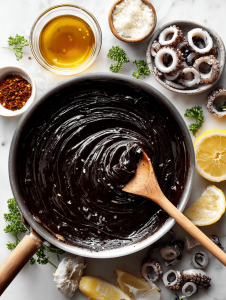
- While the pasta cooks, heat olive oil in a non-stick pan over medium heat until shimmering and fragrant.
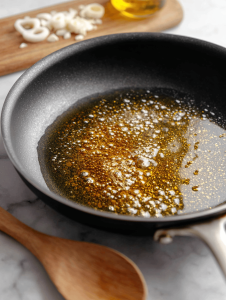
- Add the finely chopped garlic to the pan, sauté for about 30 seconds until fragrant and slightly golden.
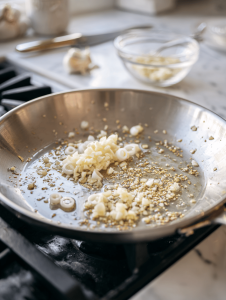
- Toss in the fresh squid rings, cook for 2-3 minutes until they turn opaque and are just tender with a slight bounce.
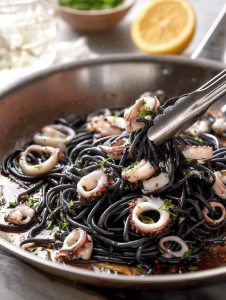
- Pour in the white wine, allowing it to deglaze the pan and reduce slightly for about a minute, releasing a fragrant aroma.

- Drain the pasta, reserving about a cup of starchy water for loosening the sauce later.
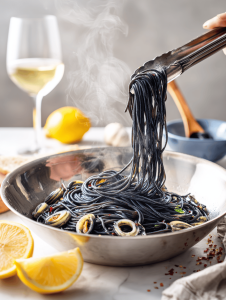
- Add the drained pasta to the pan with squid and wine, tossing well to coat everything evenly.
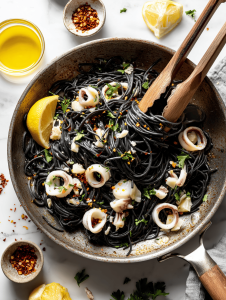
- Squeeze fresh lemon juice over the pasta, adding a pinch of chili flakes for heat, and stir to combine.
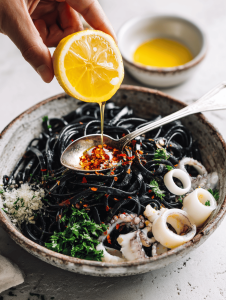
- If the sauce seems thick, add a splash of the reserved starchy water to loosen and create a glossy finish.
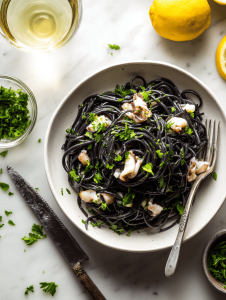
- Garnish with chopped fresh parsley and serve immediately, enjoying the vibrant color and oceanic aroma.

Hi, I’m Daniel Whitaker, the voice and recipe developer behind Broth Psychologist. I’m so glad you’re here. This little corner of the internet started as a way for me to share comfort through cooking, but it has grown into something much deeper.
 Hi, I’m Daniel Whitaker, the voice and recipe developer behind Broth Psychologist. I’m so glad you’re here.
This little corner of the internet started as a way for me to share comfort through cooking, but it has grown into something much deeper.
It’s where food meets feeling, and where simple ingredients tell meaningful stories.
Hi, I’m Daniel Whitaker, the voice and recipe developer behind Broth Psychologist. I’m so glad you’re here.
This little corner of the internet started as a way for me to share comfort through cooking, but it has grown into something much deeper.
It’s where food meets feeling, and where simple ingredients tell meaningful stories.


